
Nauru vs Vanuatu Citizenship: Which Is Better?
When considering a new place to call home, many factors come into play. For individuals exploring citizenship options, the choice between Nauru vs Vanuatu Citizenship: Which Is Better? becomes crucial. Both Nauru and Vanuatu offer unique opportunities, challenges, and lifestyles, making this decision one of significant importance. This article delves into the various aspects of obtaining citizenship in these two Pacific nations.
Overview of Nauru and Vanuatu
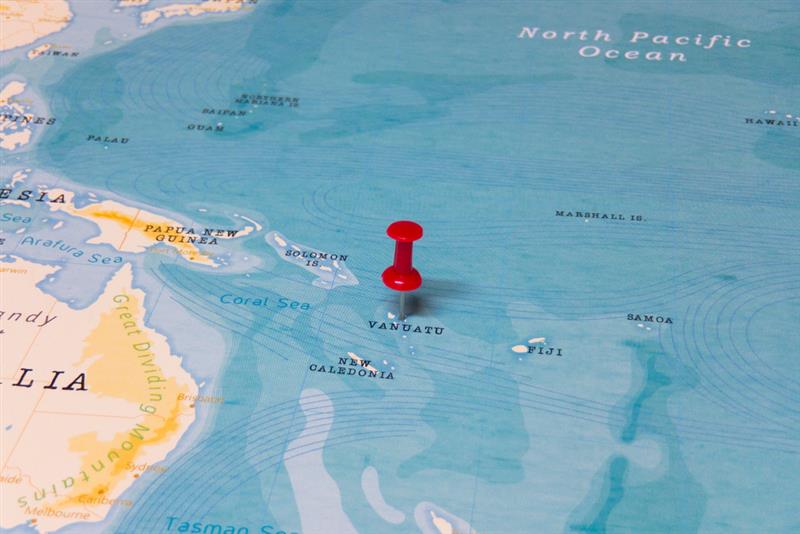
Nauru, the world’s smallest island republic, is located in Micronesia, in the central Pacific Ocean. With a population of around 10,000 and an area of 21 square kilometers, it is a unique blend of stunning natural beauty and a distinct cultural heritage. Vanuatu, on the other hand, consists of approximately 83 islands and is situated in Melanesia, providing a more diverse landscape and cultural mix. With a population of nearly 300,000 and an area of 12,190 square kilometers, Vanuatu offers a rich tapestry of languages, customs, and traditions.
Citizenship by Investment Programs
Both Nauru and Vanuatu have established options for citizenship by investment, making them attractive destinations for foreign nationals seeking a second passport. Each country’s program has its unique features, costs, and requirements.
Nauru offers an economic citizenship program that requires significant financial investment in its economy, including areas such as real estate and government bonds. The investment threshold can vary, depending on specific circumstances, but it often requires a substantial sum—one of the key considerations for potential investors.
Vanuatu’s citizenship by investment program, on the other hand, has become widely known for its accessibility and rapid processing times. The program typically requires a donation to the Vanuatu development fund, ranging from USD 130,000 for a single applicant to higher amounts for families. Vanuatu has gained a reputation for its efficient processing, often granting citizenship within a matter of weeks compared to other countries’ programs, which can take several months or even years to process.
Choosing between these two citizenship opportunities depends largely on personal preferences regarding investment, timelines, and future intentions of living in either country.
Benefits of Citizenship
There are notable benefits associated with obtaining citizenship in either Nauru or Vanuatu.
In Nauru, once you obtain citizenship, you benefit from the country’s tax-free status on income earned outside of Nauru, making it appealing for individuals seeking to optimize their tax situation. Additionally, holding citizenship can open doors to the Pacific Island community and provide access to essential services in Nauru.
Vanuatu citizenship offers its own array of advantages, including visa-free travel to numerous countries, including the Schengen Area and the United Kingdom. This makes it a coveted passport for those who frequently travel. Additionally, Vanuatu’s commitment to maintaining a peaceful, stable democracy means that citizens enjoy a secure environment for themselves and their families.
Furthermore, citizens of both countries can participate in local business ventures, enhancing their economic footprint. However, the degree of engagement in local business operations might vary based on the respective laws and regulations governing foreign investments in Nauru and Vanuatu.
Requirements for Citizenship
The requirements for acquiring citizenship differ between Nauru and Vanuatu, tailored to each country’s regulations.
In Nauru, applicants must demonstrate a financial capability to invest meaningfully in the country. Background checks and character assessments are integral parts of the process, ensuring that applicants meet the country’s standards for citizenship eligibility. Moreover, applicants may be required to prove their sources of income and provide information about their personal and professional backgrounds.
Vanuatu’s requirements are slightly different but no less stringent. Apart from the financial contribution, applicants must also provide details regarding their identification, including passports and birth certificates. A police clearance certificate is typically required to confirm that applicants do not have a criminal history. Overall, both countries emphasize the importance of good character and financial viability in their citizenship acquisition frameworks.
Life as a Citizen: Lifestyle, Culture, and Community
Living as a citizen in either Nauru or Vanuatu offers unique experiences shaped by the local culture, community, and environment.
Nauru’s lifestyle is relatively quiet, with a close-knit community. Citizens and residents benefit from a laid-back atmosphere, allowing for a more tranquil existence. The culture is heavily influenced by its Polynesian heritage, offering citizens the chance to participate in traditional ceremonies, festivals, and activities that promote local history and identity.
In contrast, Vanuatu presents a more vibrant communal life. The islands’ diversity fosters a rich cultural scene that includes numerous festivals, arts, and culinary experiences reflecting its Melanesian roots. Vanuatu boasts a range of outdoor activities, from snorkeling in coral reefs to hiking volcanic mountains, appealing to those who love adventure and nature. The communal politics and decision-making processes in Vanuatu also encourage citizen engagement, ensuring that local voices are heard in matters affecting their lives.
Ultimately, the lifestyle one experiences in either country depends on individual preferences, family needs, and professional aspirations.
Challenges and Considerations
While Nauru and Vanuatu present attractive opportunities for citizenship, potential applicants should also consider the challenges associated with each country.
Nauru’s limited land area and resources mean that the cost of living can be high, and basic goods may often be imported, affecting availability and pricing. Economic opportunities can also be scarce, resulting in limited options for those looking to build a career or establish a business.
Vanuatu, while more expansive and resource-rich, faces challenges such as susceptibility to natural disasters like cyclones and earthquakes. Infrastructure development is ongoing, but some areas still lack adequate services, which can be a factor for newcomers. Furthermore, prospective citizens should prepare for the cultural transition and potential language barriers, although English and French are widely spoken.
In conclusion, the choice between Nauru and Vanuatu citizenship ultimately depends on individual circumstances, preferences, and priorities. Both countries offer distinctive benefits and challenges, making it essential for potential citizens to conduct thorough research and consider their long-term goals before making a decision. As globalization continues to foster interconnectedness among nations, the appeal of acquiring a second citizenship remains significant for many individuals around the world.